

The Trailblazer for Modern Stress Release.

In a world where burnouts, digital distractions and sleepless nights have become the norm rather than the exception, mental well-being and sleep health has now come to the forefront of the wellness industry. But consumers aren’t just looking for a remedy rather they want evidence-backed, natural solutions that fit seamlessly into their fast paced and high demanding daily lives. So, what if the key to the solutions of stress relief, deep sleep, and lasting balance had been growing right under our noses for over 5,000 years?
Golden Standards Redefined
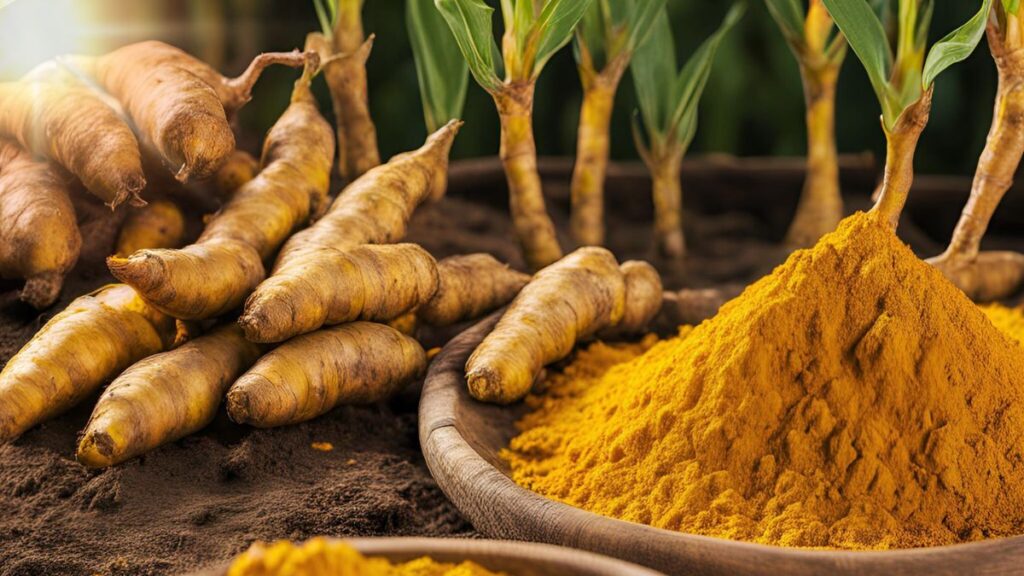
What’s golden, revered for centuries, and a powerful ingredient of today’s wellness products, health recipes and beauty industries? Turmeric! The “Golden Spice” that has become an all-rounder starting off as a staple in kitchens to an antimicrobial in clinics, and now a cornerstone ingredient in cosmetics labs worldwide. Known for its vibrant hue and potent curcuminoid content, turmeric is a symbol of health, vitality, and innovation.
Harnessing Ashwagandha
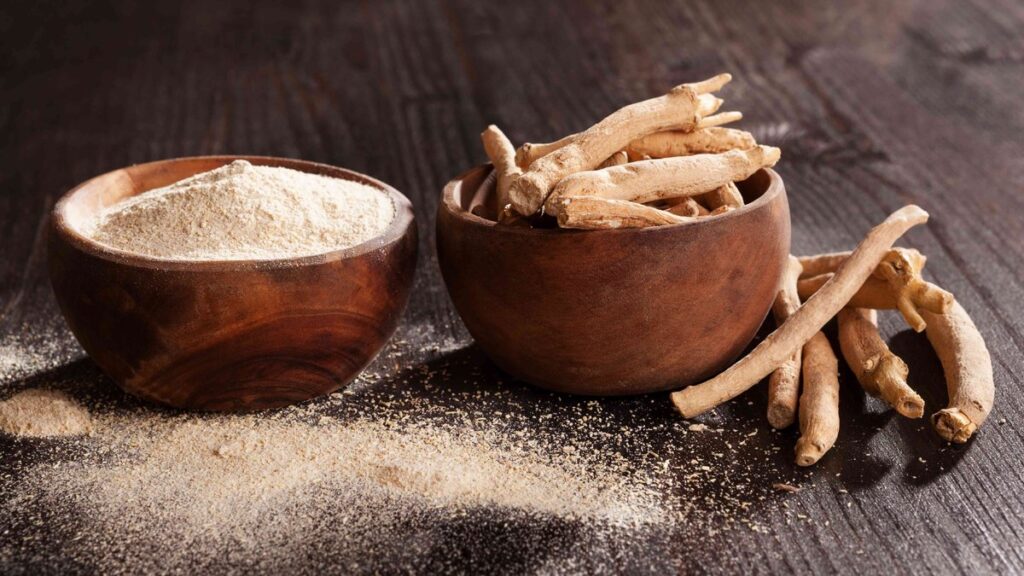
A Comprehensive Guide for Innovative Health Solutions.
The landscape of ‘wellness’ under modern concepts has evolved rapidly, with consumers now turning towards green-natural-plant based products to pitch-in the wide spectrum of health concerns. Amongst the hundreds of herbal gems that has garnered glory during this evolutionary journey, the most is acquired by Ashwagandha (Withania somnifera), an eminent adaptogenic herb used for its notable effects in physical and mental well-being.
Adaptogenic Amrita
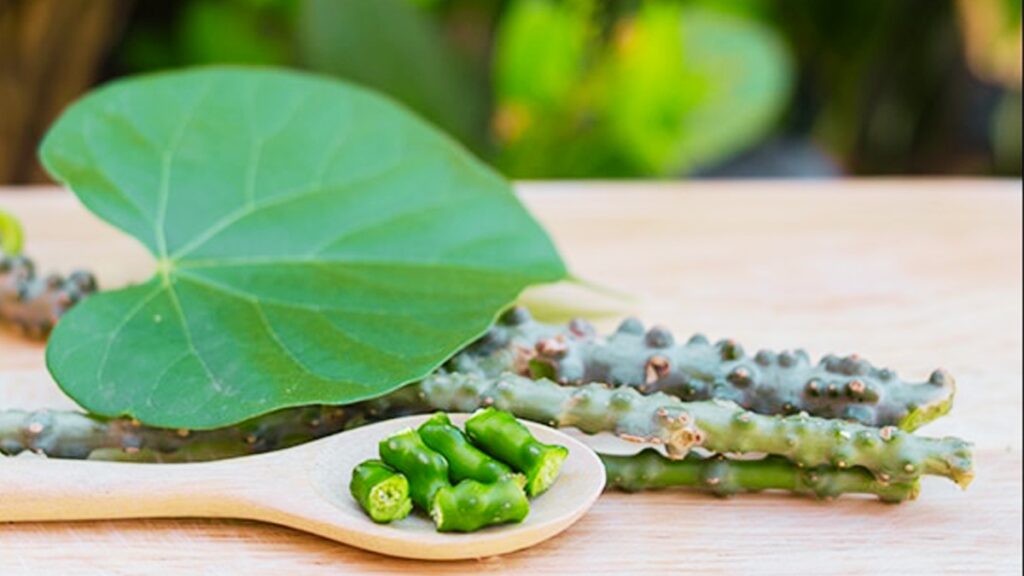
Native to the Indian subcontinent, Guduchi (Tinospora cordifolia) is a large deciduous climbing shrub with heart-shaped leaves and a succulent stem. It produces small, yellowish flowers and drupes that turn red when mature. It commonly climbs on other trees, including Mango and Neem trees.
Momordica
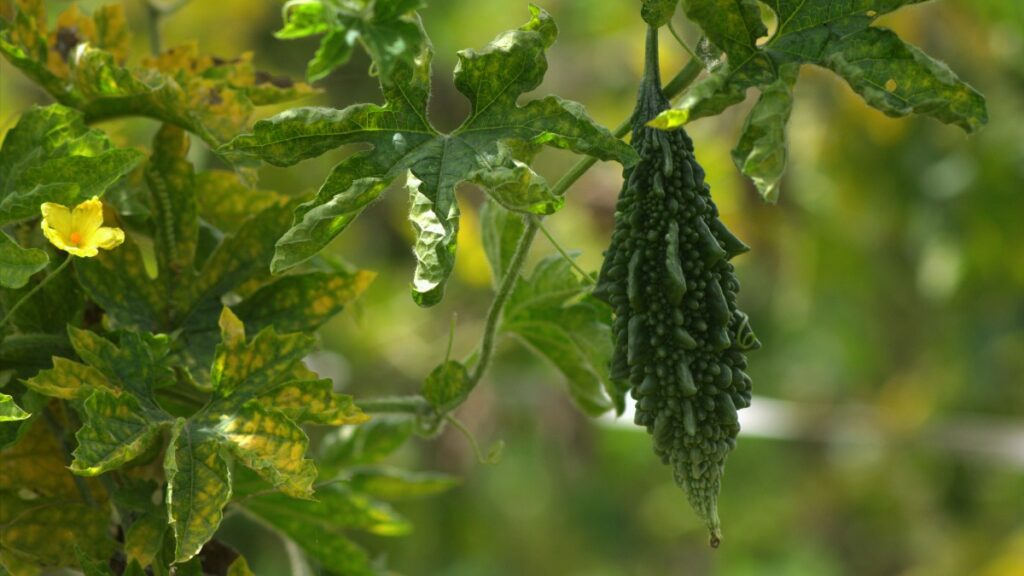
Plant Insulin?
This warty-looking melon from the Gourd Family (Cucubitaceae) is born from a vine of the tropics and suptropics and has a bitterness that varies depending on the variety. We think it was originally from Africa, and now the Bitter Melon (Momordica charantia) is cultivated widely and traveled the world, especially in Asian countries, the Caribbean and India.
Cissus
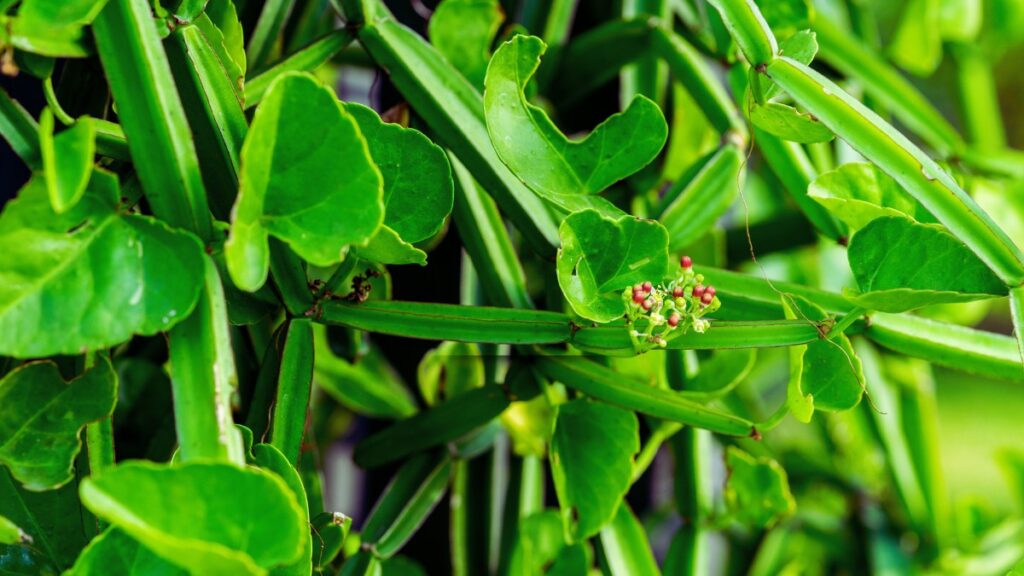
Squarely Medicinal
This creeping vine has a form so distinctive, it is easy to identify once you see it! Cissus (aka. Veldt Grape, Bone Setter, Hadjod; Cissus quadrangularis) is a perennial plant in the grape family distinguished by quadrangular (four-angled) stems.
The Multiuse Bioactive
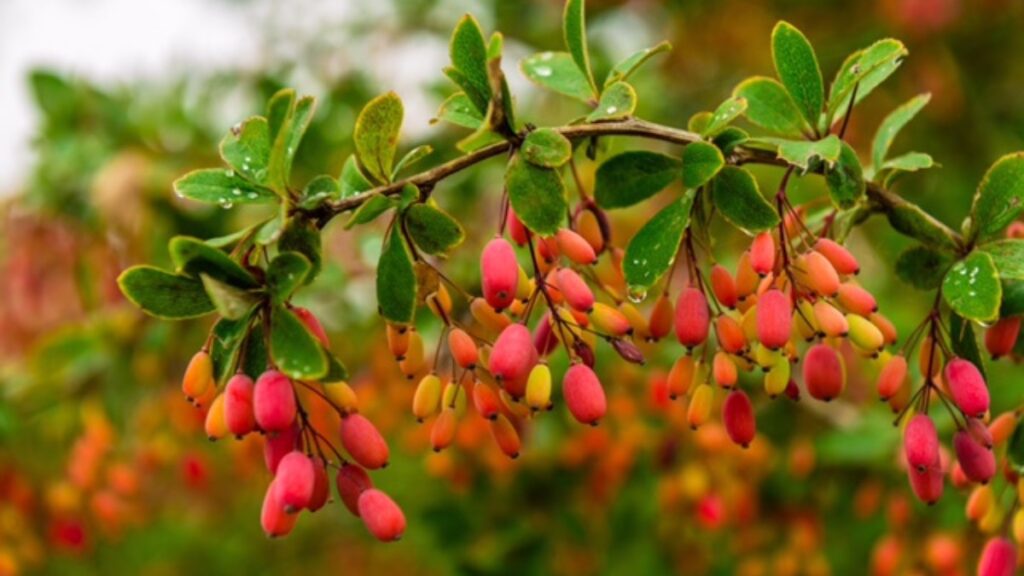
Berberine is an isoquinoline alkaloid with a distinctive yellow color, notable for its broad-spectrum pharmacological properties. Berberine is predominantly found in the roots, rhizomes, stems, and bark of several plants, notably including Berberis species (such as Berberis aristata and Berberis vulgaris), Coptis chinensis (goldthread), and Hydrastis canadensis (goldenseal)
Dopamine Beans
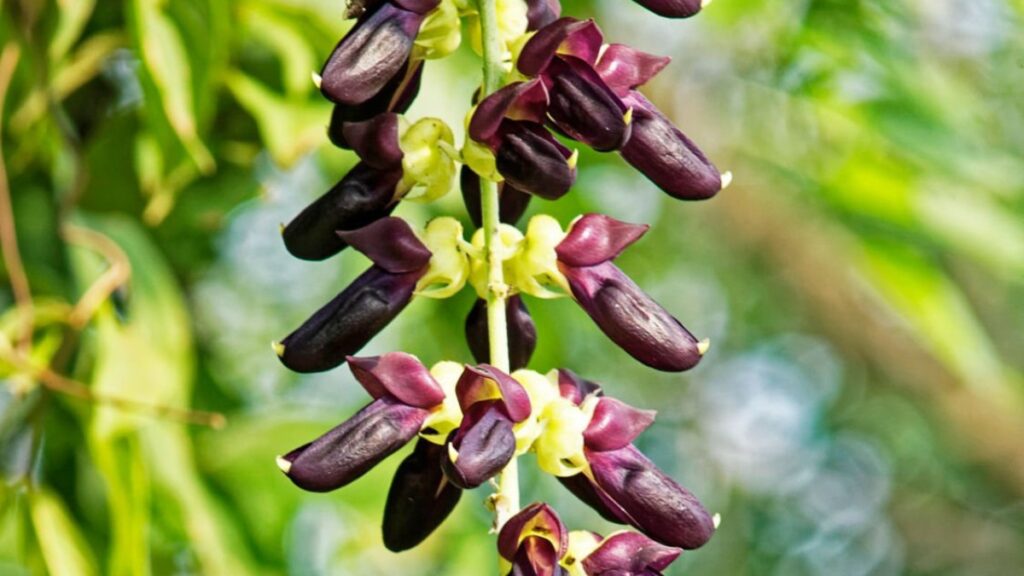
Dopamine Beans!
Mucuna pruriens (aka Velvet Bean, Cowhage) is a vigorously growing tropical legume native to Africa and Asia, and now naturalized and cultivated in many other areas.
It can climb to over 50 feet and produces young furry leaves that become smooth as the plant matures.
Psyllium The Multifunctional Fiber
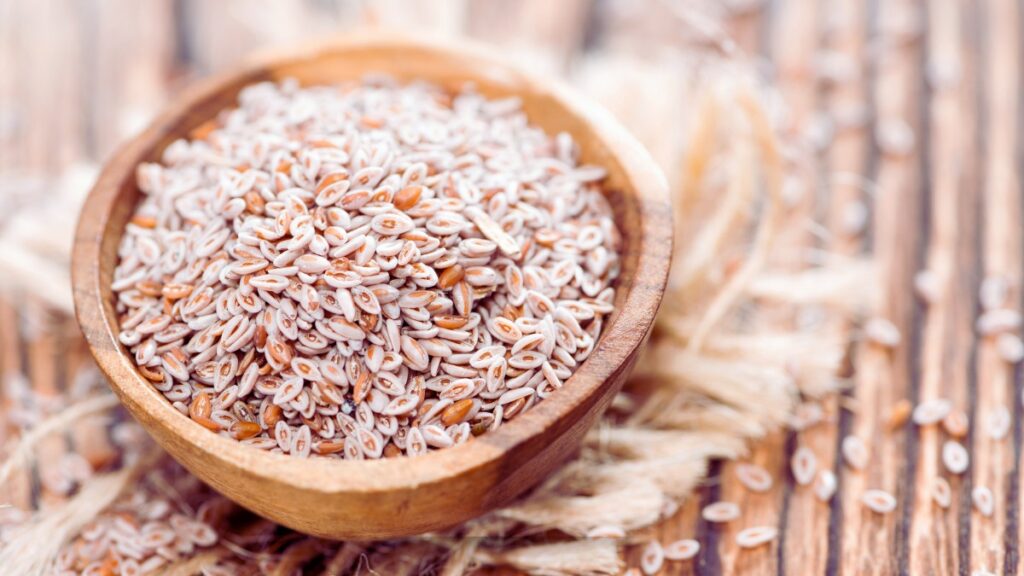
Most Consumed and Least Talked About?
Psyllium is the common name for several species in the Plantago genus, made most famous by the use of Plantago ovato, or Blond Psyllium for the production of Psyllium fiber. They key product that is famous worldwide as “Psyllium” is its husk which is used as both a soluble and insoluble fiber for promoting regularity and gastrointestinal health. Although it has both soluble and insoluble properties, the majority of its benefits come from its nature as a soluble fiber.
The Free Tree of India
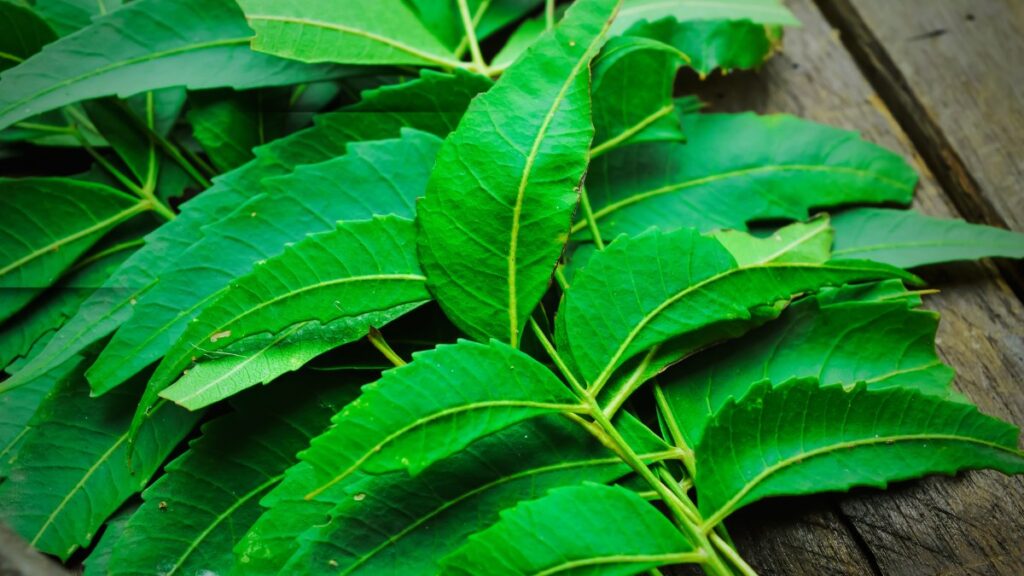
One of two species in the Azadirachta, Neem (A. indica) is native to India and Asia, and now grown and sometimes naturalized in many other areas of the world. The name of the genus is derived from a word meaning ‘the free tree of India’, referring to its natural lack of pest and disease problems.
The United Nations has named Neem the “Tree of the 21st century”, and in 1992 the US National Academy of Science published a report entitled “Neem: a tree for solving global problems”.