

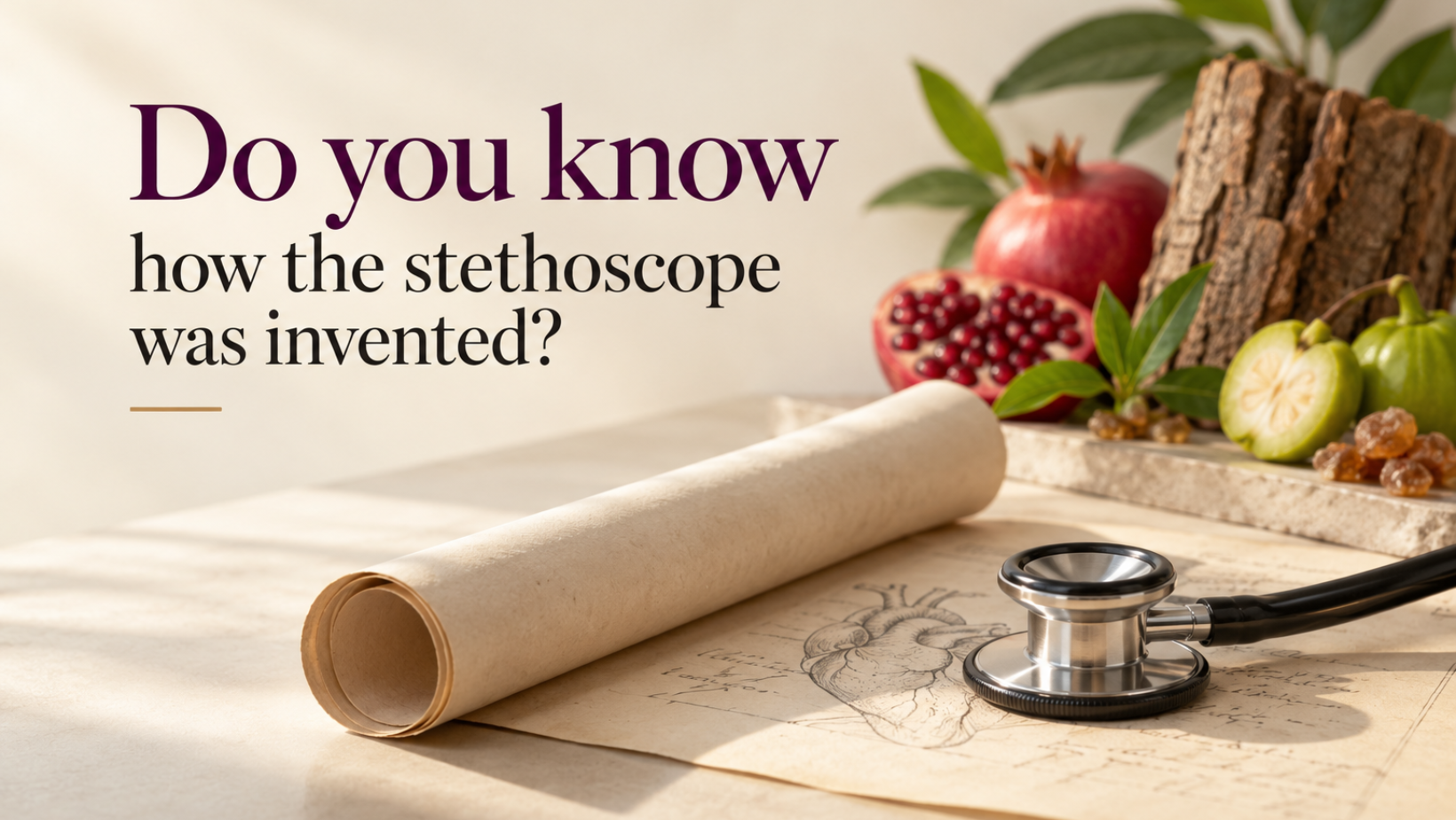
What he heard surprised him. The paper tube carried the heartbeat more clearly than direct contact ever had, sharper, steadier, easier to trust. He refined the idea over the following months, first into a wooden cylinder, then into the instrument that would carry his name into every medical bag in the world. Some of his colleagues were skeptical at first. Direct contact had worked well enough for centuries; why did it need replacing? It took years for the stethoscope to be taken seriously, and longer still for it to become standard. But within a generation, it had become impossible to imagine cardiology without it.
It’s a good story because it’s true, and because it makes a point worth sitting with. For most of human history, nobody had a tool built for listening to the heart. What people had instead was pattern-noticing, stretched out over generations: watch enough people, long enough, and certain habits keep turning up in the households that seem to hold up better than others. Nobody was running trials. Nobody had a name for what they were tracking. They just kept doing what seemed to work, and passed it down. Long before any instrument existed to confirm it, four ingredients kept appearing in exactly that role, and it’s worth introducing them properly, because research has spent the last few decades quietly catching up to what tradition already suspected.
The Tree That Stands Its Ground
The Fruit That Outlasts Itself
The Resin That Takes Its Time
Where pomegranate’s evidence arrived quickly, guggul’s took the scenic route, fittingly, since the resin itself takes days just to tap from the bark of the small desert tree it comes from, collected drop by drop the way patience is collected rather than manufactured. It travelled ancient trade routes as incense long before anyone tested it in a lab, valued for centuries for reasons that had nothing to do with cholesterol. The most carefully controlled trials, including one published in JAMA, found it doing slow, cumulative work on lipid balance, the kind of progress that shows up over years rather than in any single reading, closer in character to compound interest than to a quick fix.
The Sour Fruit With a Second Job
Two Kinds of Listening
The Gap Between Warning and Noticing
That gap, between the warning and the noticing, is exactly what this year’s World Heart Day is built around. The organizers behind the day point out that most cardiovascular disease is preventable, and that the deaths it causes are disproportionately the ones that could have been caught earlier, by a person, a habit, or a system paying closer attention. It’s a fair thing to sit with, and a reminder that awareness campaigns and kitchen traditions are, in the end, running the same errand: catching what would otherwise go quiet until it’s too late to stay quiet.